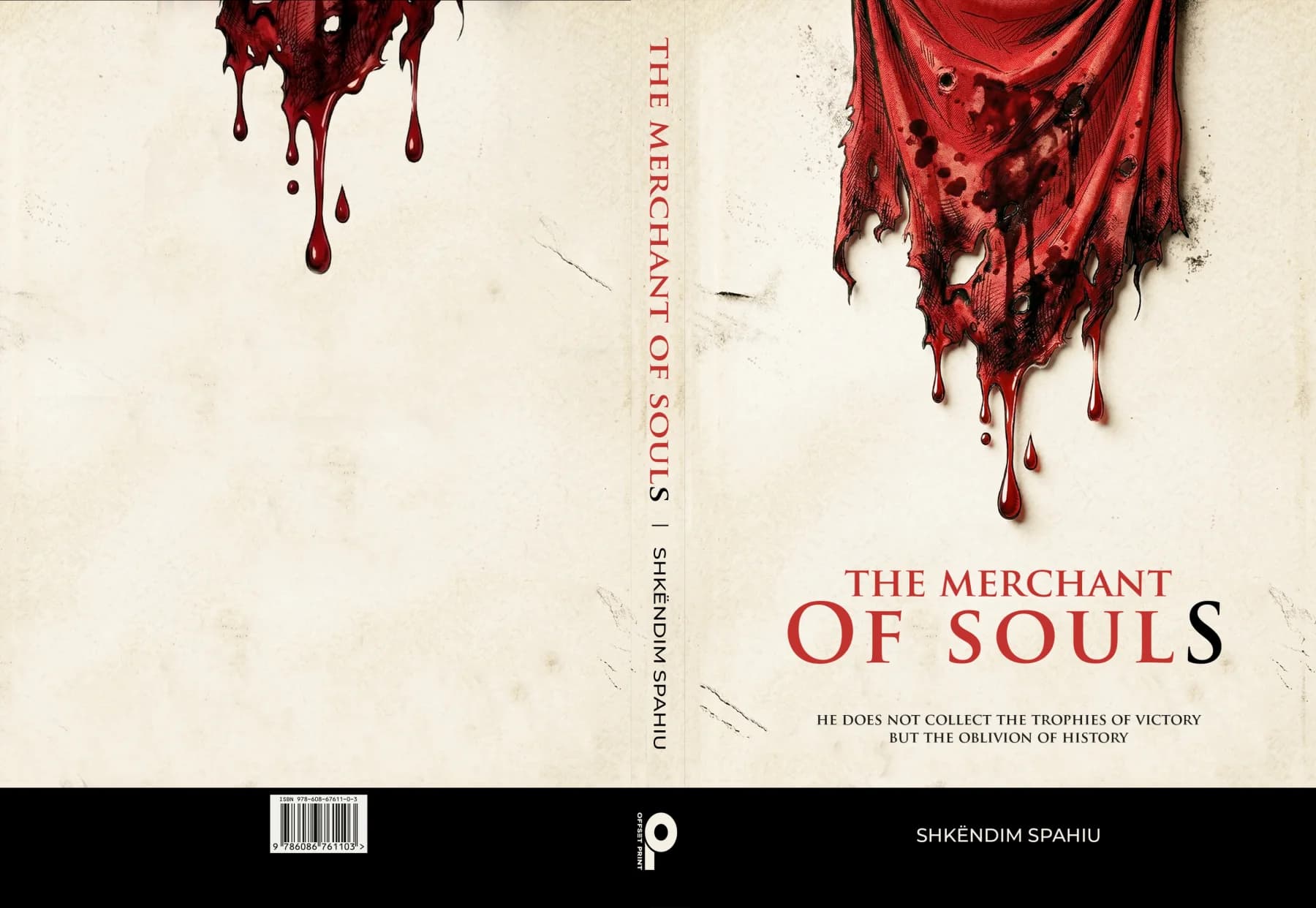
The Merchant of Souls
A historical and psychological novel
A novel of war, power, and divided identity in the Ottoman world of the Janissaries.
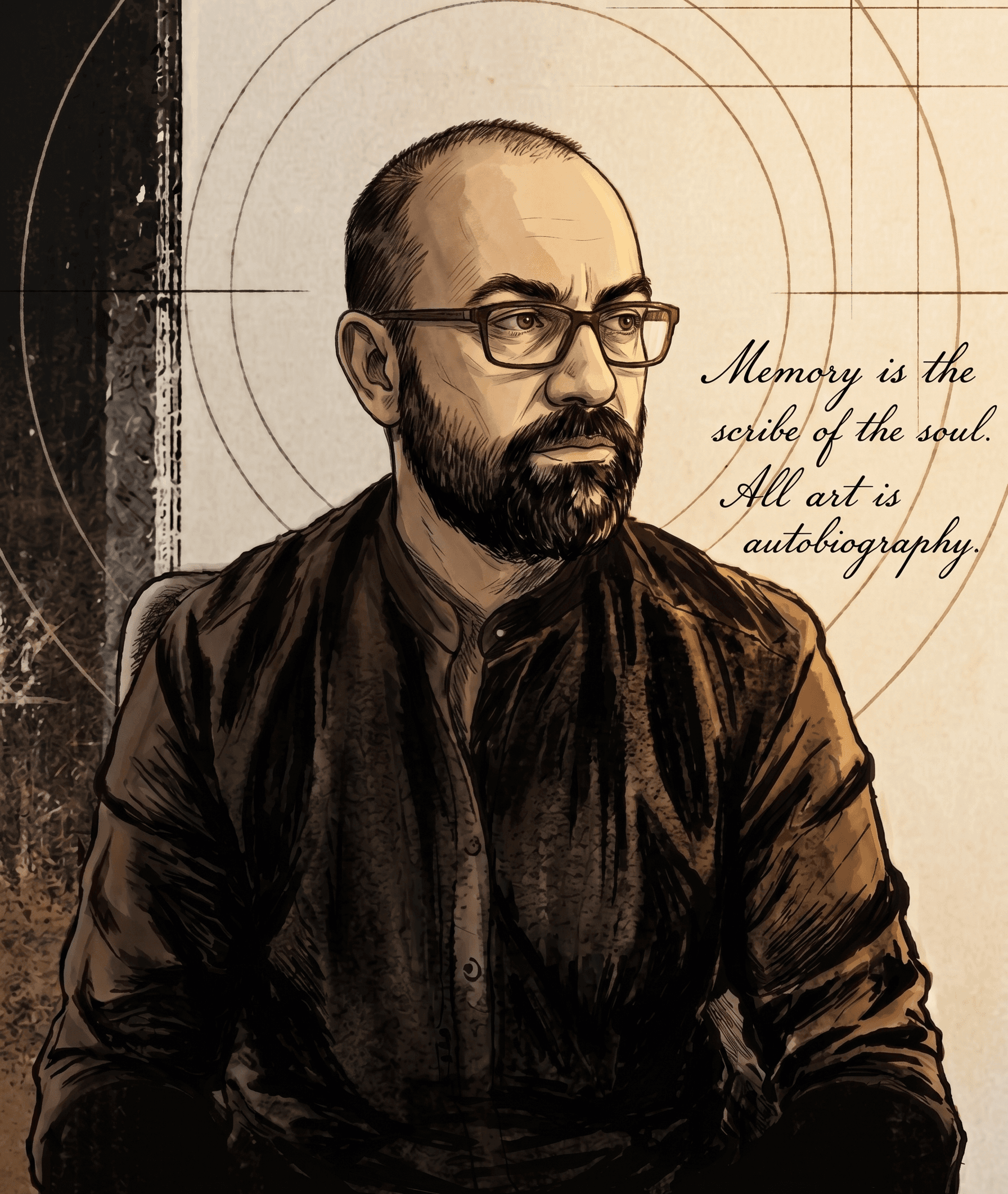
About
Author, researcher, and essayist
I write about history, human nature, power, memory, and the stories that shape the way we understand ourselves. My work moves between literature, history, philosophy, and personal experience.
I was born in 1984 and come from the Kičevo region of North Macedonia. My professional background is in finance, while writing and historical research have become an increasingly important part of my intellectual life.
I have a particular interest in Balkan and Ottoman history, especially the relationships between individuals, families, institutions, power, and social change. Research into my family history led me to Ottoman archival records, historical documents, genealogy, oral history, and stories preserved across generations.
My writing combines research with narrative. I am interested in facts, but also in the people behind those facts: their ambitions, fears, loyalties, compromises, beliefs, failures, and choices.
What I Write About
History Is More Than Dates
I do not see history simply as a sequence of dates and events. History is made by people. Behind every empire, war, migration, political decision, or social transformation are individuals making choices under circumstances they often cannot control.
A document can tell us that something happened. A story can help us understand what it meant to the people who lived through it. Good historical writing should attempt to do both.
Why I Write
I write because the past disappears quickly. Within a few generations, names become unfamiliar, stories become incomplete, and experiences that once seemed unforgettable can disappear entirely.
Writing is one way of resisting that disappearance. It can preserve a voice, connect one generation with another, and turn memory into something that can be examined, questioned, and passed forward.
Selected works
A historical and psychological novel
A novel of war, power, and divided identity in the Ottoman world of the Janissaries.
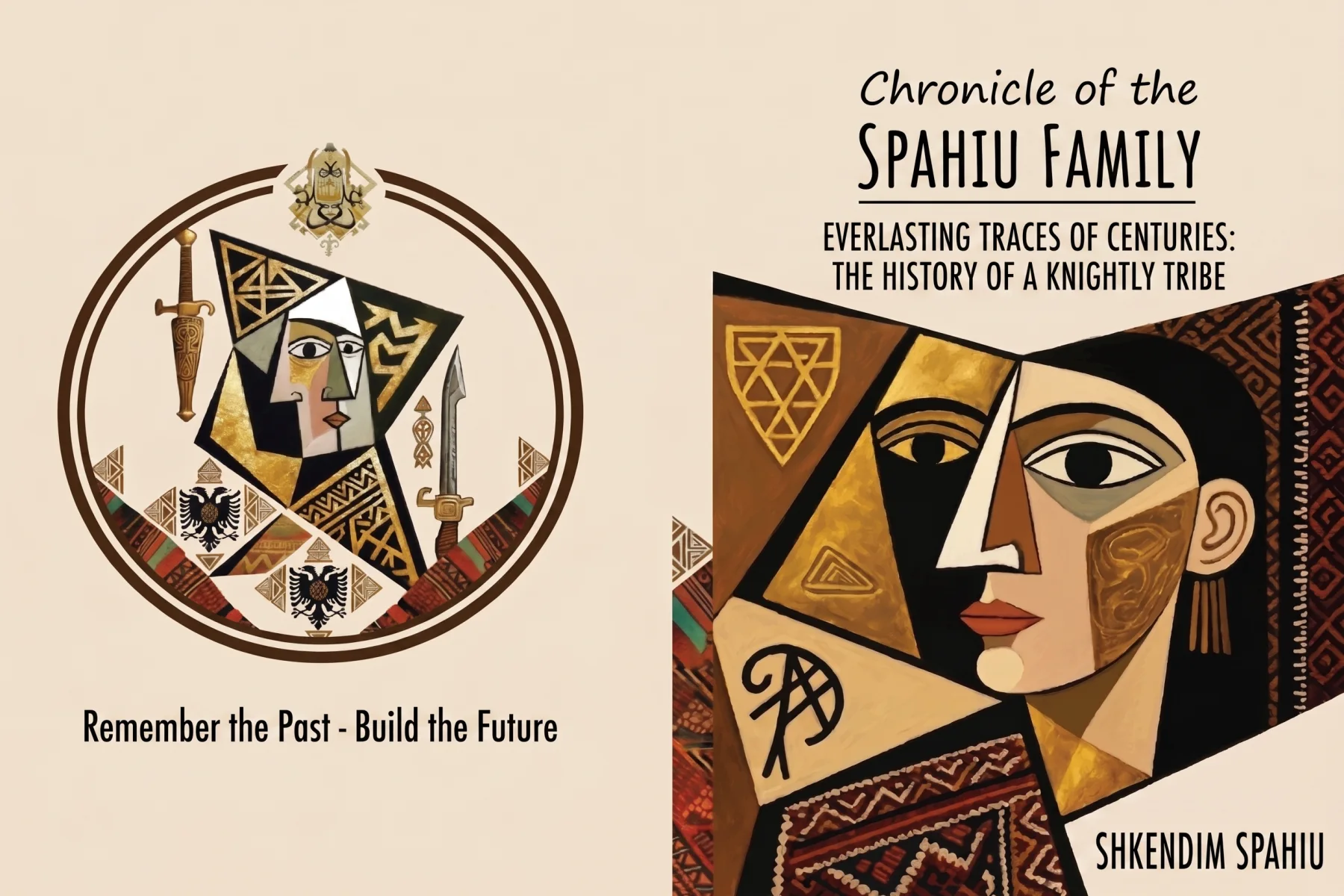
Unfading Traces of Centuries: History of a Clan of Knights
A historical family chronicle that places generations of the Spahiu family within the wider history of the Balkans and the Ottoman world.